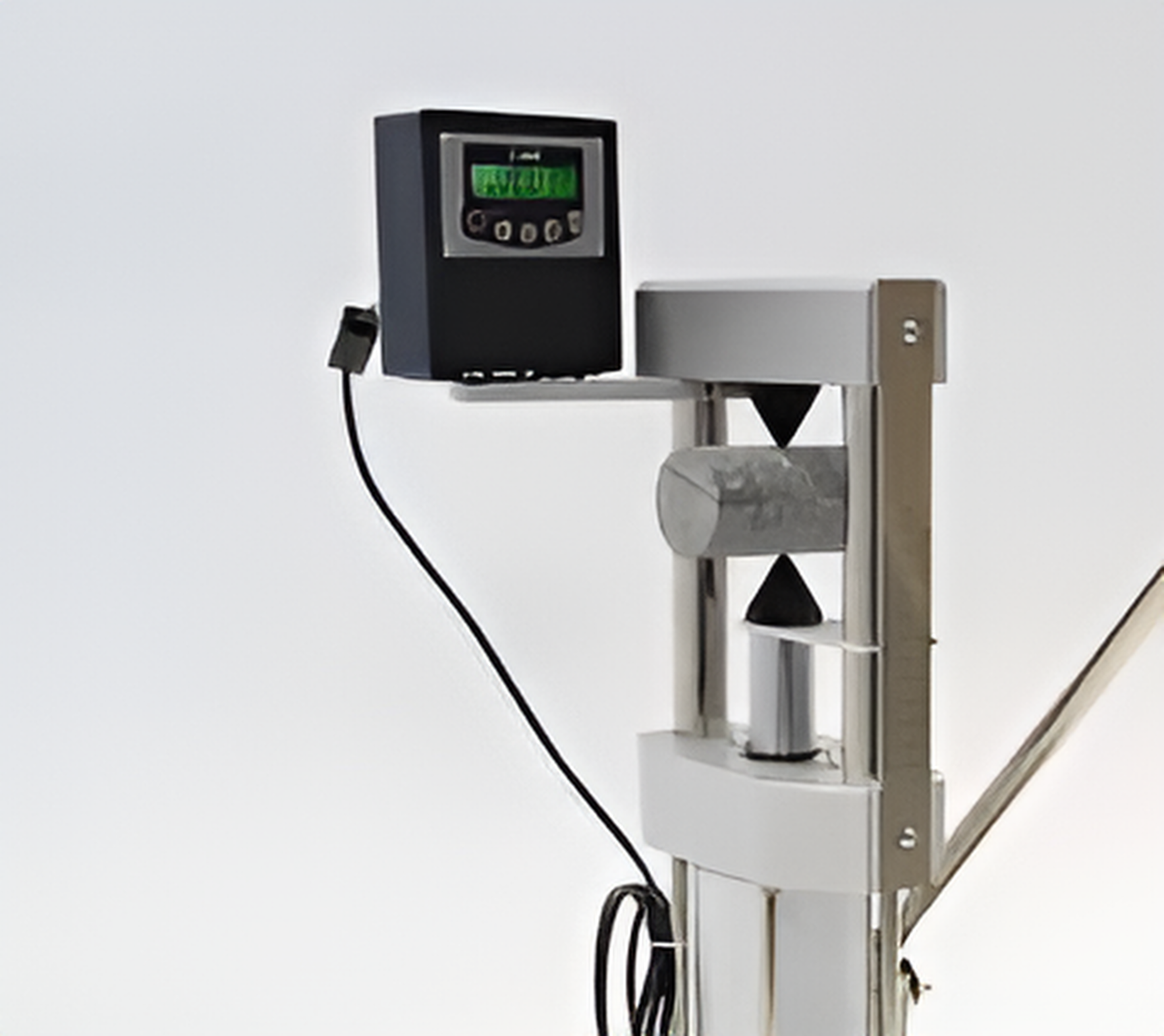
The Point Load Index (PLI) Test is a versatile rock strength assessment performed in both the laboratory and the field. By applying concentrated loads through a pair of conical platens, the test determines the Point Load Strength Index ($I_s$), providing a rapid estimation of rock strength that correlates directly with Unconfined Compressive Strength (UCS).
Test Objectives
- Determine the point load strength index ($I_s$)
- Categorize rock mass quality based on strength variations
- Empirically estimate UCS values for rapid design
Site Application
- Immediate on-site strength assessment for tunneling and slopes
- Guides the selection of excavation and blasting methods
- Essential for large-scale rock mass characterization
Operational Value
- Offers a cost-effective alternative to full UCS laboratory testing
- Enables testing of irregular rock fragments and core samples
- Identifies strength variations across a project site quickly
Calculated Values
- $I_s = P / D_e^2$ (Load over equivalent diameter)
- Size Correction Factor ($I_{s(50)}$) for standard reporting
- UCS correlation: $q_u \approx K \cdot I_{s(50)}$
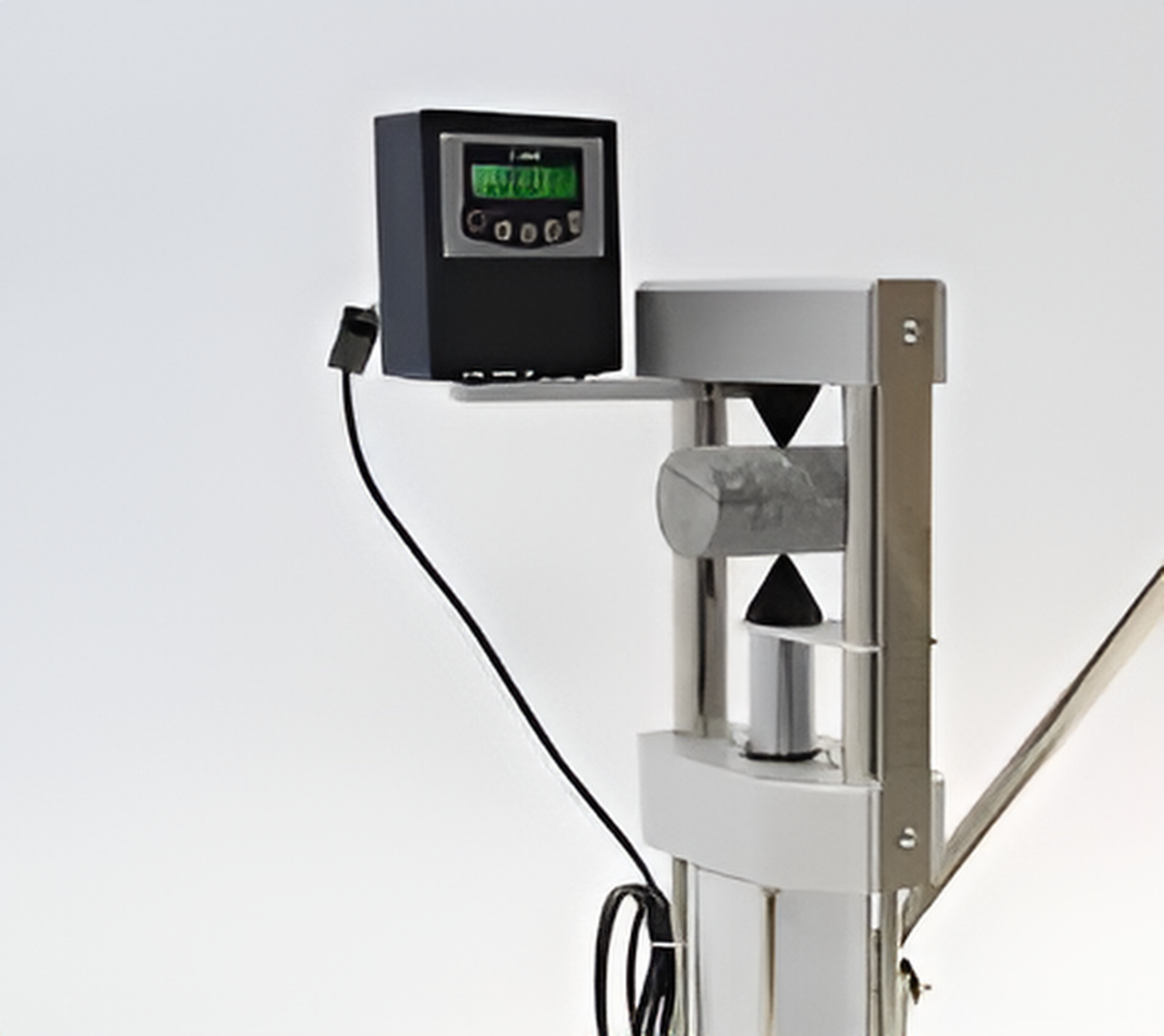
Unlike UCS testing which requires precision-machined cores, the PLI test can be performed on irregular lumps or drill cores as-is. This flexibility makes it the go-to choice for real-time field logging during geotechnical investigations.
The test can be performed in Diametral, Axial, or Irregular modes. By applying the "point" load until a tensile fracture occurs, we calculate the strength index. Because the equipment is portable, our engineers can provide strength data directly at the borehole location, allowing for immediate adjustments to foundation or slope designs.
Our Field Methodology
- 1 Selection of representative rock core or fragment specimens
- 2 Application of concentrated load via conical hardened steel points
- 3 Precise recording of failure load and specimen dimensions
- 4 Empirical conversion to UCS and strength classification reporting